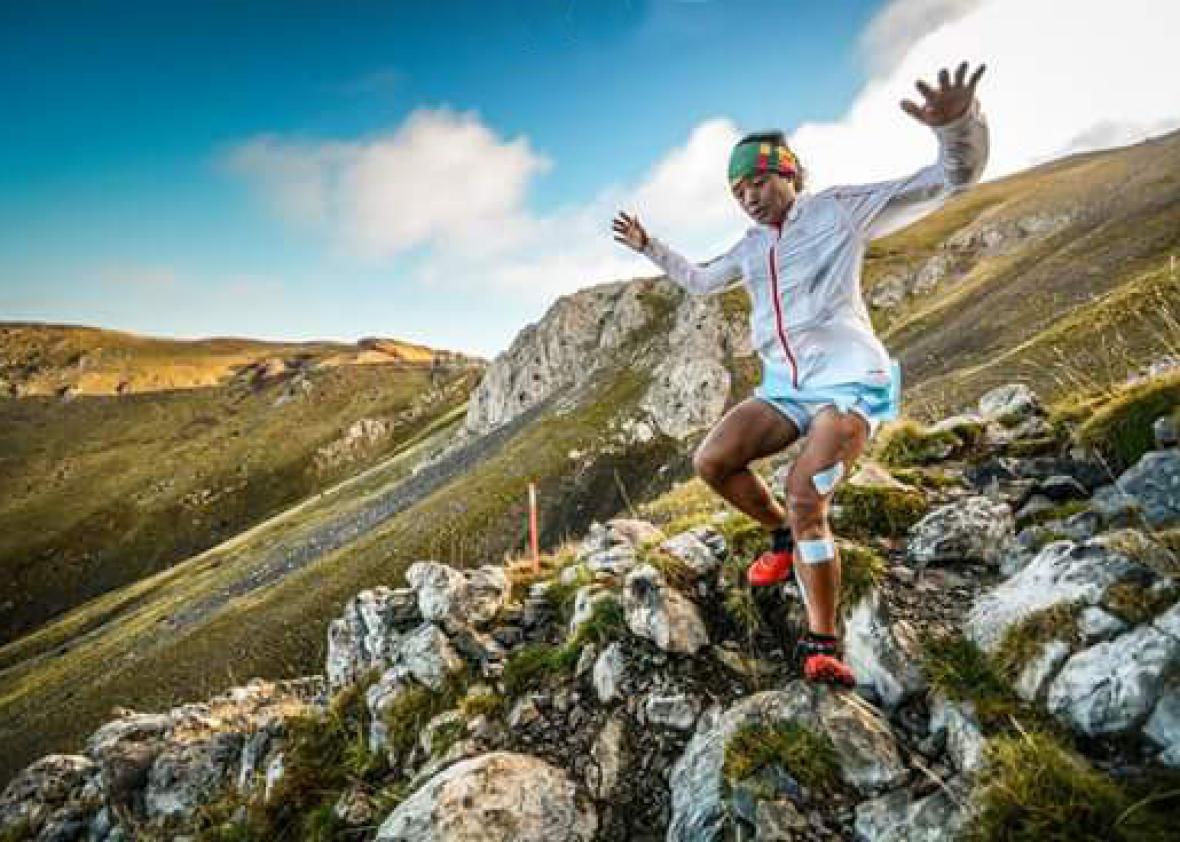
 The 68-mile Ultra Pirineu trail race through Spain’s Pyrenees, caps the Skyrunning Series circuit. Nepal’s new champion, Mira Rai, came in four minutes behind Swedish runner, Emelie Forsberg, considered among the top in her sport.

The 68-mile Ultra Pirineu trail race through Spain’s Pyrenees, caps the Skyrunning Series circuit. Nepal’s new champion, Mira Rai, came in four minutes behind Swedish runner, Emelie Forsberg, considered among the top in her sport.
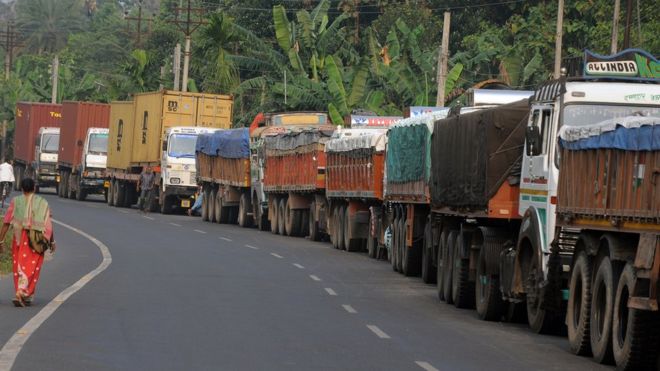 While India continues to plead innocent to causing the growing humanitarian crisis in Nepal, medical supply shortages emerge as the latest threat. Doctors warn certain procedures may need to be postponed and those who need medications may need to go without. While Nepal manufactures 40% of its own medical supplies, ingredients for making them still need to come from outside.
BBC News tells us more: http://www.bbc.com/news/world-asia-34861073?OCID=fbasia&ocid=socialflow_facebook&ns_mchannel=social&ns_campaign=bbcnews&ns_source=facebook
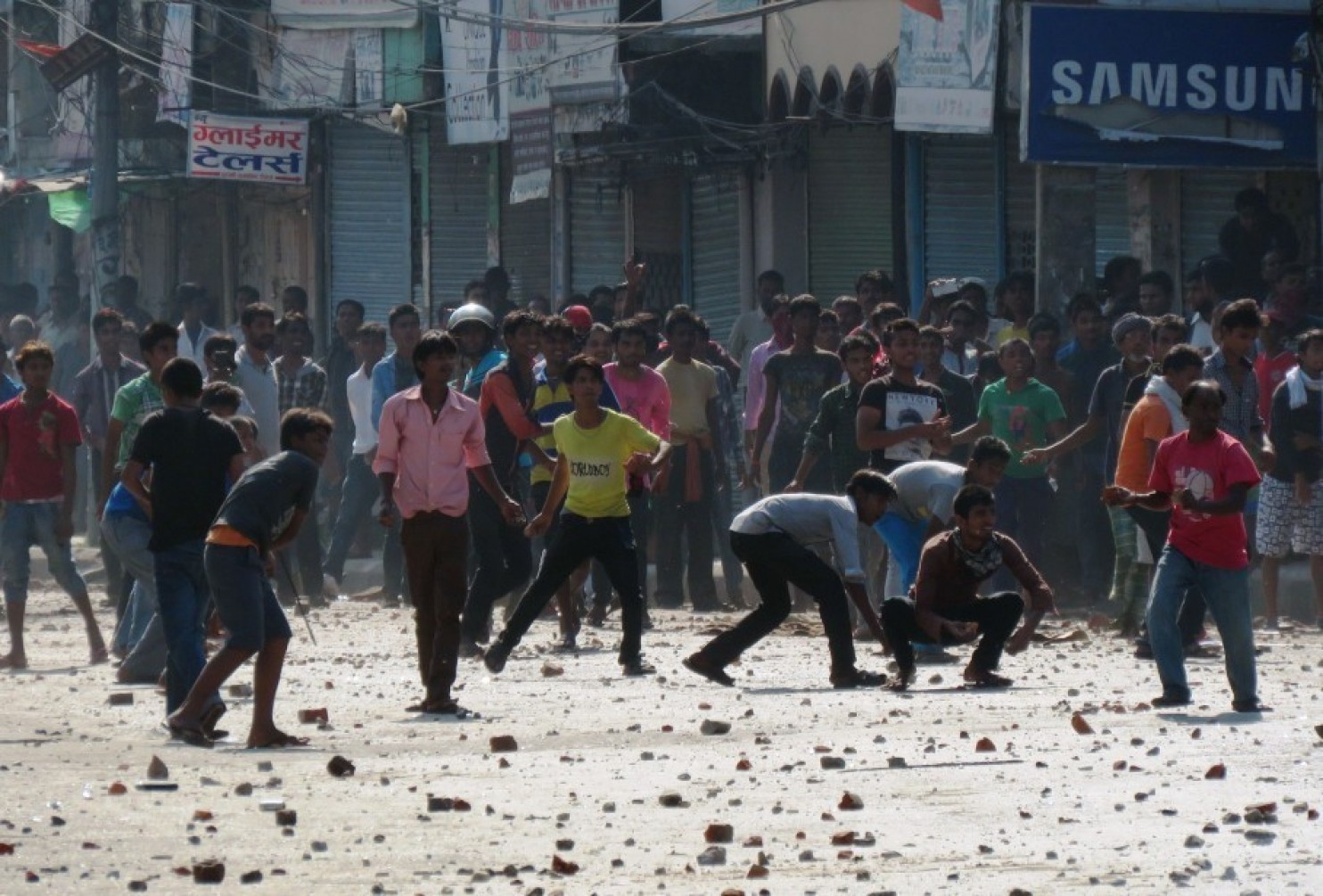 Nepalese protesters throw rocks at police during clashes near the Nepal-India border at Birgunj, south of Kathmandu, on Nov. 2. On the same day, Nepal police fired into a crowd of protesters trying to block a key border checkpoint and killed an Indian civilian as anger over a new constitution boiled over. (AFP/Getty Images)
As if the earthquake weren’t enough, now the Nepali people must endure the backlash from a highly controversial new constitution passed in September. Fuel can no longer be imported from India, increasing the emergency as winter draws nearer. Read more here: https://www.washingtonpost.com/news/monkey-cage/wp/2015/11/02/nepal-is-in-crisis-and-it-has-nothing-to-do-with-the-earthquake-heres-what-you-need-to-know/
 I only know of Mira because my son and daughter-in-law live in Kathmandu and I follow their Facebook page. All are runners, but Mira is something apart, though she didn’t know it the first time she entered a competitive trail run. She didn’t have any special training or equipment, but she does now — in spades.
To most of the people of Nepal, Mira has become an inspiration at a time when the country needs something to cheer about. To the women of Nepal who often work long hours for no pay and with little recognition, she offers hope.
In her words:
When a 7.8 magnitude earthquake hit Nepal, the world wanted to help, but few 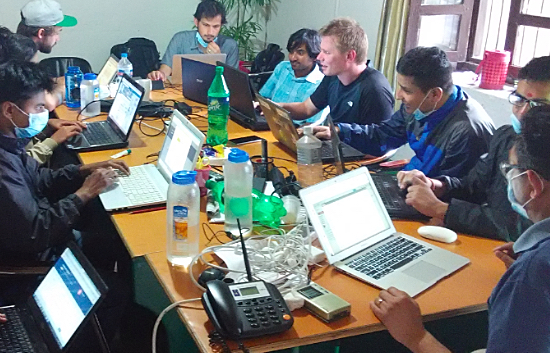 were as well placed as my son, Neil Horning, who lives in Kathmandu. Already well-known to the open source mapping community for a human rights mapping website called NepalMonitor.org, Neil had only to grab his laptop and make his way through the rubble to be tapped for a new assignment. He would be the new coordinator of Quakemap.org, born the day after the quake in a high tech workshop called Kathmandu Living Labs.
From the start, Neil had no shortage of volunteers. Anyone with a laptop could begin logging reports, but the reports had to also be verified, and the responses classified by their actionable status. Authorities were notified as to the need and required response. For example: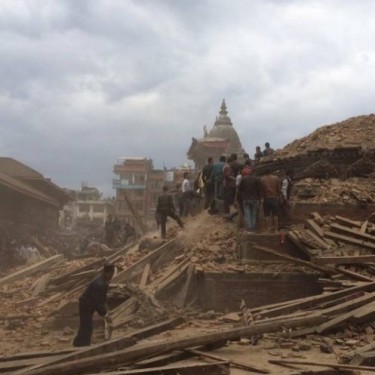
“Urgent medical help needed in Sunkhani and Sundravati in Dolakha. First report is a child and 3 people, but there are more that need medical urgently.”
Such reports were routed to the Nepal Army and over 160 aid organizations and grassroots initiatives. In this case, 4 helicopters extracted the wounded: As of a month after the quake, over 65,000 people from 89 countries have visited the map to access and view its pages.
Quakemap.org and Kathmandu Living Labs were both mentioned in a May 13th article in Wired Magazine entitled, “Nepal’s Aid System Is Broken, So These Lifesavers Hacked It.” They’ve also been featured in the New York Times and on BBC. On May 21st, The White House hosted a “Mapathon” in Washington D.C. with a special focus on mapping the humanitarian response in Nepal and highlighting the work of Kathmandu Living Labs.
Interested persons can contribute to the success of Quakemap.org by donating to Maps For Nepal, a crowd sourcing site set up for that purpose at https://www.indiegogo.com/projects/maps-for-nepal#/story. Neil is featured in the promotional video.
______________________
Linda Horning is co-editor of the Sierra Writers Newsletter. She is currently working on a book about her adventures in Nepal.
 Sasu Aama